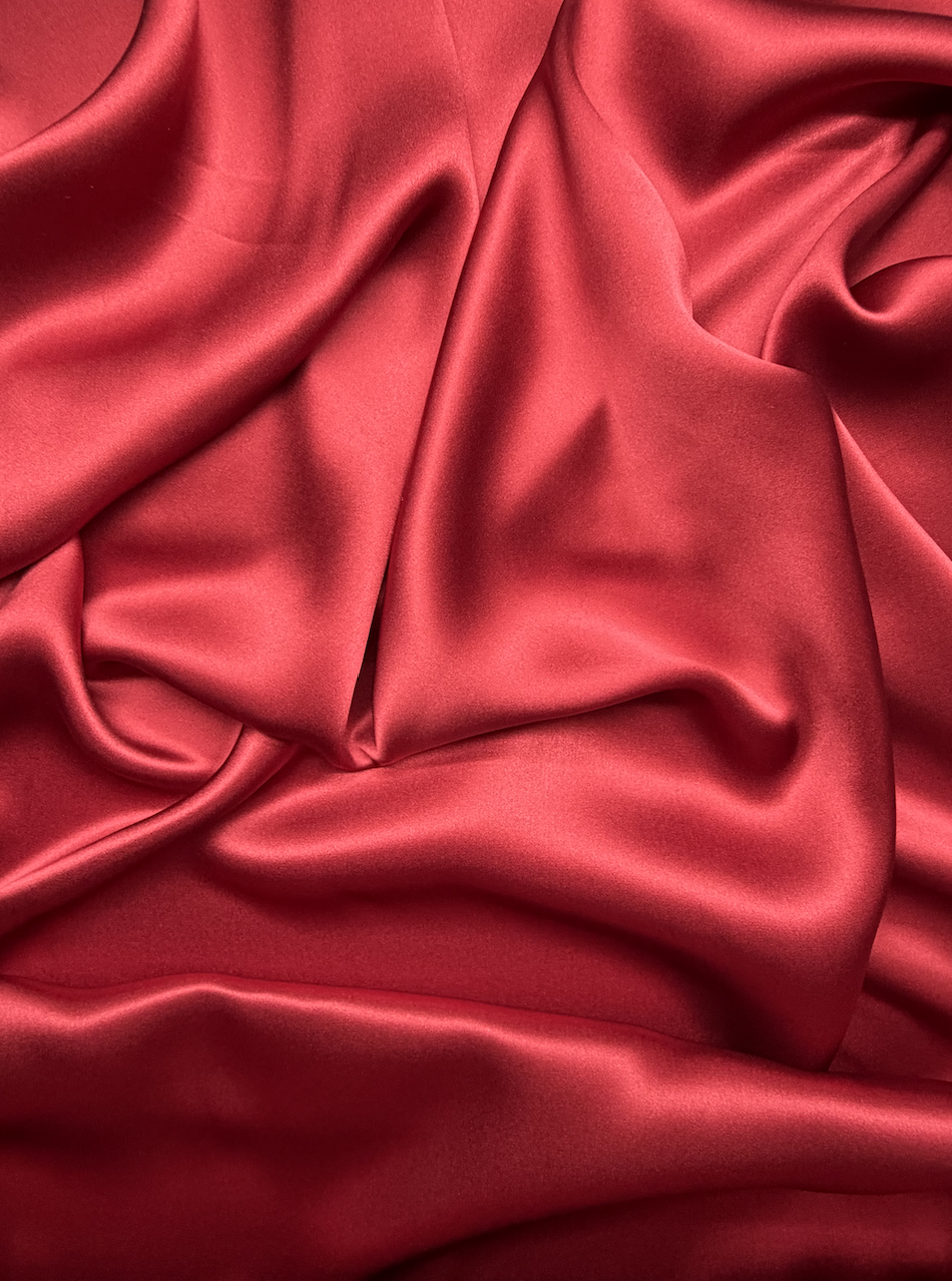
Silk vs Faux Silk: How to Tell the Difference (And Why It Matters for Gifting)
Not everything labeled silk actually is. Here are 5 reliable ways to tell real silk from polyester faux silk before you order — and why the difference matters far more for corporate and event gifting than most buyers realize.
It happens more often than anyone in the industry likes to admit: a company orders "silk" scarves for a corporate gift, and what arrives is a shiny polyester imitation that looks acceptable in a product photo but feels wrong the moment someone touches it. The recipient may never say anything, but they notice. This guide explains exactly how to tell real silk from faux silk, and why the difference matters far more for gifting than most buyers realize.
Why This Confusion Costs Buyers Money
The word "silk" is used loosely across the textile industry, and unless a fabric is explicitly certified or verified, there is no guarantee that a product labeled or described as silk contains any silk at all. Buyers frequently pay a mid-range price expecting genuine silk and receive a polyester substitute costing a fraction to produce — a gap that only becomes obvious once the product is in hand, which for a corporate gifting program often means after hundreds of pieces have already been distributed.
What "Faux Silk" Actually Is
Faux silk almost always refers to polyester satin or polyester charmeuse — synthetic fabrics engineered to mimic silk's shine and drape using petroleum-based fibers rather than natural protein fiber from silkworm cocoons. Modern polyester satin has genuinely improved and can look convincing in photographs, which is precisely why buyers need to know how to verify fabric in person rather than relying on images alone.
5 Ways to Tell Real Silk from Faux Silk
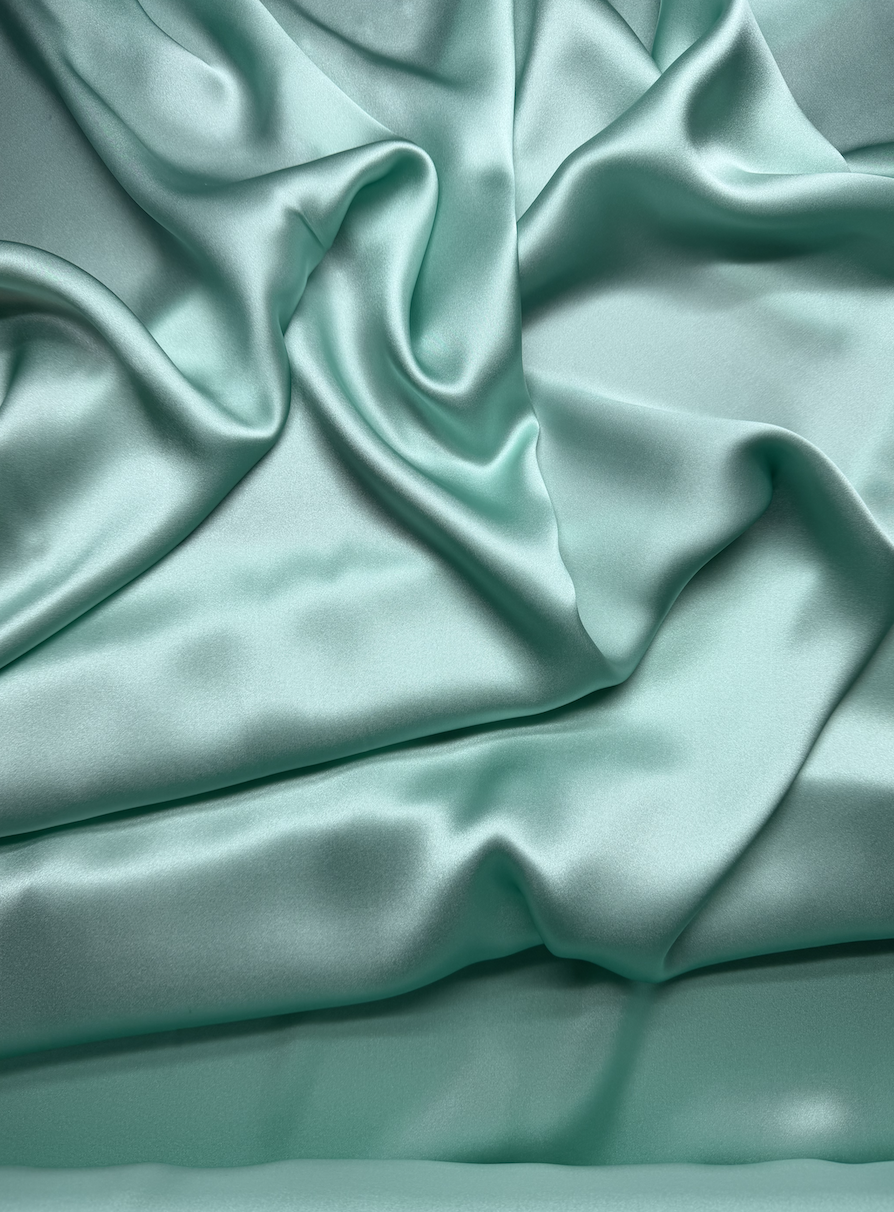
The Burn Test
The most definitive test, typically performed by a manufacturer rather than the end buyer: a small thread pulled from an inconspicuous edge is burned. Real silk, being a protein fiber, burns slowly, self-extinguishes when the flame is removed, curls into a brittle dark ash, and smells like burning hair. Polyester melts rather than burns, forms a hard plastic bead, continues burning with a black smoky flame, and smells distinctly of melting plastic. This test is destructive and best requested from a supplier on a spare swatch, not performed on a finished gift.
The Feel Test
Real silk has a distinctive dry, slightly textured hand despite its smooth appearance, and it warms quickly to body temperature when held. Polyester satin tends to feel slippery and cool to the touch even after handling, with a hand that stays more uniformly slick. This difference becomes obvious once you have felt genuine silk twill or satin even once — it is one of the fastest tests available.
The Price Test
Genuine silk fabric costs significantly more to produce than polyester, and this cost differential shows up reliably in pricing. A custom scarf priced dramatically below the typical range for silk products is a meaningful signal worth investigating directly, not dismissing as simply a good deal.
The Label Test
Reputable manufacturers disclose fabric composition clearly — "100% silk," "silk twill," or an explicit percentage if blended. Vague language like "silk-like," "silky feel" or "satin finish" without a composition statement is a signal to ask a direct follow-up question before ordering.
The Shine Test
Real silk has a soft, complex, slightly matte-adjacent luster that shifts subtly depending on the angle of light — sometimes called a "broken" shine. Polyester satin tends toward a flatter, more uniform, almost plastic-like sheen that looks the same from every angle. Side by side, the difference is visible even to an untrained eye.
Why It Matters for Corporate Gifting Specifically
A corporate gift represents the organization giving it, and recipients — particularly in professional or luxury contexts — are often more attuned to fabric quality than buyers expect. A synthetic substitute presented as silk risks a specific, damaging perception: that the organization either does not know the difference or does not consider the relationship worth the genuine material. Neither impression serves the goal of the gift.
How to Verify What You Are Actually Buying From a Manufacturer
Before committing to any order, request a physical fabric swatch and ask the supplier directly to confirm fiber content in writing. Ask whether the fabric is REACH certified, since certification documentation typically accompanies genuine, traceable silk supply chains rather than unverified synthetic substitutes. If a manufacturer is reluctant to provide a swatch or becomes vague when asked directly about fiber content, treat that hesitation as informative in itself.
Seraya Studios works exclusively with genuine, REACH certified silk fabrics, produced entirely in Como, Italy. Request a fabric swatch to feel the difference at info@serayastudios.com
Ready to Create Something Extraordinary?
Contact us for a free custom production quote. Made in Como, Italy.
Request a Quote