Silk Twill vs Silk Satin: Which Fabric Is Right for Your Custom Accessories?
Twill or satin? The two most requested silk fabrics look similar in photos but behave completely differently. Here is the real difference — and how to choose the right one for corporate gifts, promotional programs and brand accessories.
Every custom silk project reaches the same crossroads early: twill or satin? The two most requested silk fabrics look similar in photographs, cost similar amounts and can both carry a printed design beautifully. Yet they behave differently, feel different and suit different projects.
This guide explains the real difference — and how to choose for corporate gifts, promotional programs and brand accessories.
What Silk Twill Actually Is
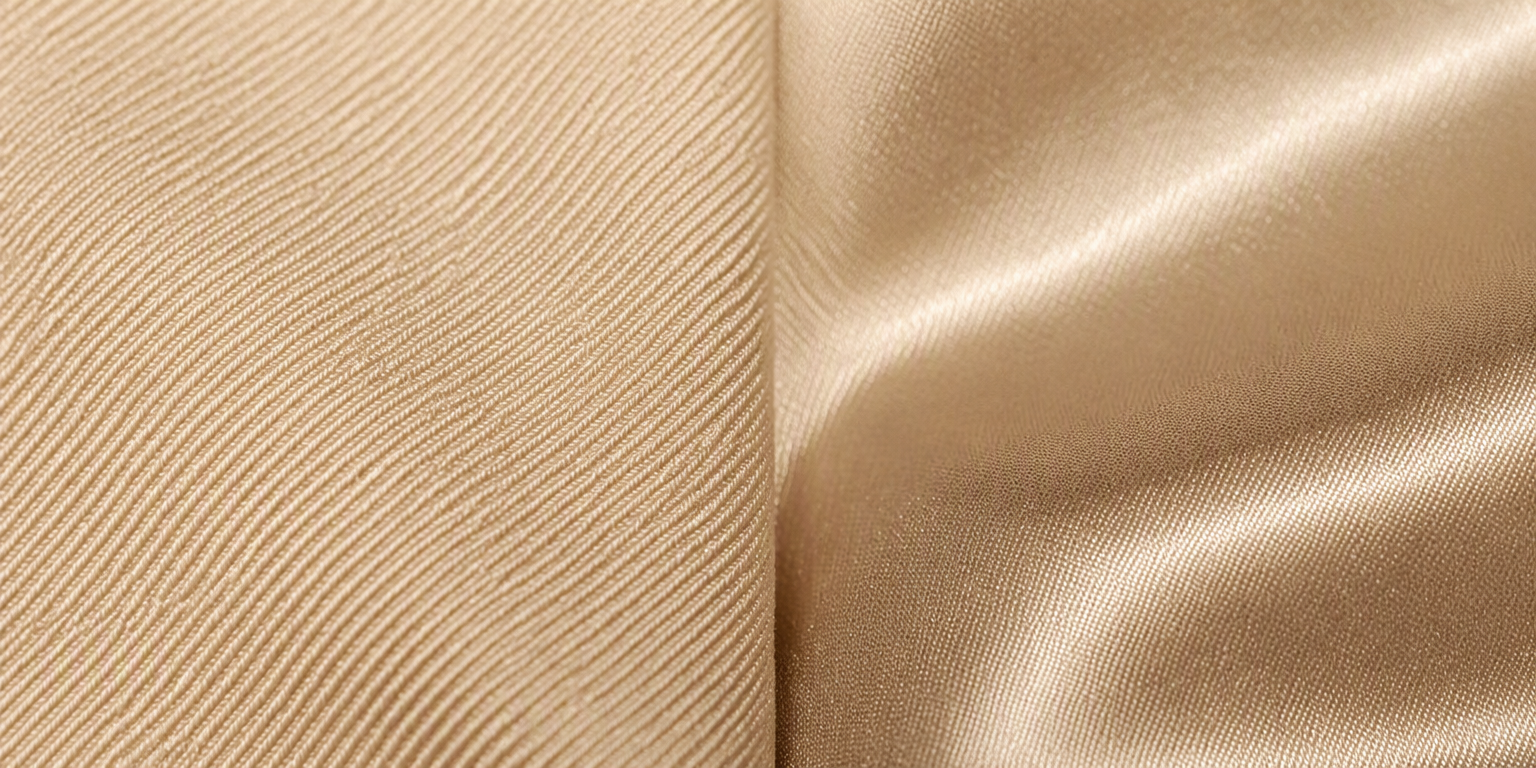
Twill is defined by its weave: threads interlaced in a diagonal pattern that creates a subtle ribbed texture across the surface. The result is a fabric with body and structure — it holds knots crisply, resists wrinkling and drapes with a controlled, elegant fall.
Twill's finish is a soft, refined luster rather than a mirror shine. Printed colors on twill appear rich and slightly matte, which reads as understated luxury — the aesthetic of the great heritage scarf makers.
Twill is the right choice when: the accessory will be tied and knotted often (scarves, twillys, ties), when the design favors classic elegance, and when durability across years of use matters — which is why it is the default recommendation for corporate gifting.
What Silk Satin Actually Is
Satin is also a weave, not a material: long floating threads across the surface that create satin's signature high shine and liquid smoothness. Satin drapes more fluidly than twill and catches light dramatically.
Printed colors on satin appear luminous and saturated — the fabric amplifies vibrancy. The trade-off: satin shows creases more readily, snags more easily and feels dressier, less everyday.
Satin is the right choice when: visual impact is the priority — evening accessories, fashion-forward gifting, resort and event pieces — and when the design relies on glowing, saturated color.
Side by Side: The Practical Differences
Hand feel: twill is dry and structured; satin is slippery and fluid.
Shine: twill offers a soft luster; satin a pronounced sheen.
Print rendering: twill renders detail with precision and depth; satin renders color with maximum luminosity.
Durability in daily use: twill resists wrinkles and wear better; satin demands gentler handling.
Perceived character: twill reads as heritage and quiet luxury; satin reads as glamour and occasion.
Which One for Corporate and Promotional Projects?
For most corporate gifting programs, silk twill is the safer and stronger choice: it survives daily wear, knots beautifully, ages gracefully and carries the understated elegance appropriate to professional contexts. It is the fabric we recommend for company scarves, anniversary editions and client gifts.
Satin earns its place in specific scenarios: gala and event accessories, fashion brand collaborations, hospitality pieces designed for evening wear, and any project where the brief explicitly calls for glamour.
Many programs use both — the same printed design produced on twill for daily-wear gifts and on satin for a limited evening edition.
The Only Reliable Way to Decide
Photographs cannot communicate hand feel, drape or the way each fabric takes your specific colors. Before committing a production run to either fabric, request printed swatches of both. Touching the two options side by side resolves the decision in thirty seconds — and it is a step we offer on every project.
Seraya Studios prints custom designs on silk twill, satin and a full range of premium fabrics — entirely in Como, Italy. Request fabric swatches at info@serayastudios.com
Ready to Create Something Extraordinary?
Contact us for a free custom production quote. Made in Como, Italy.
Request a Quote