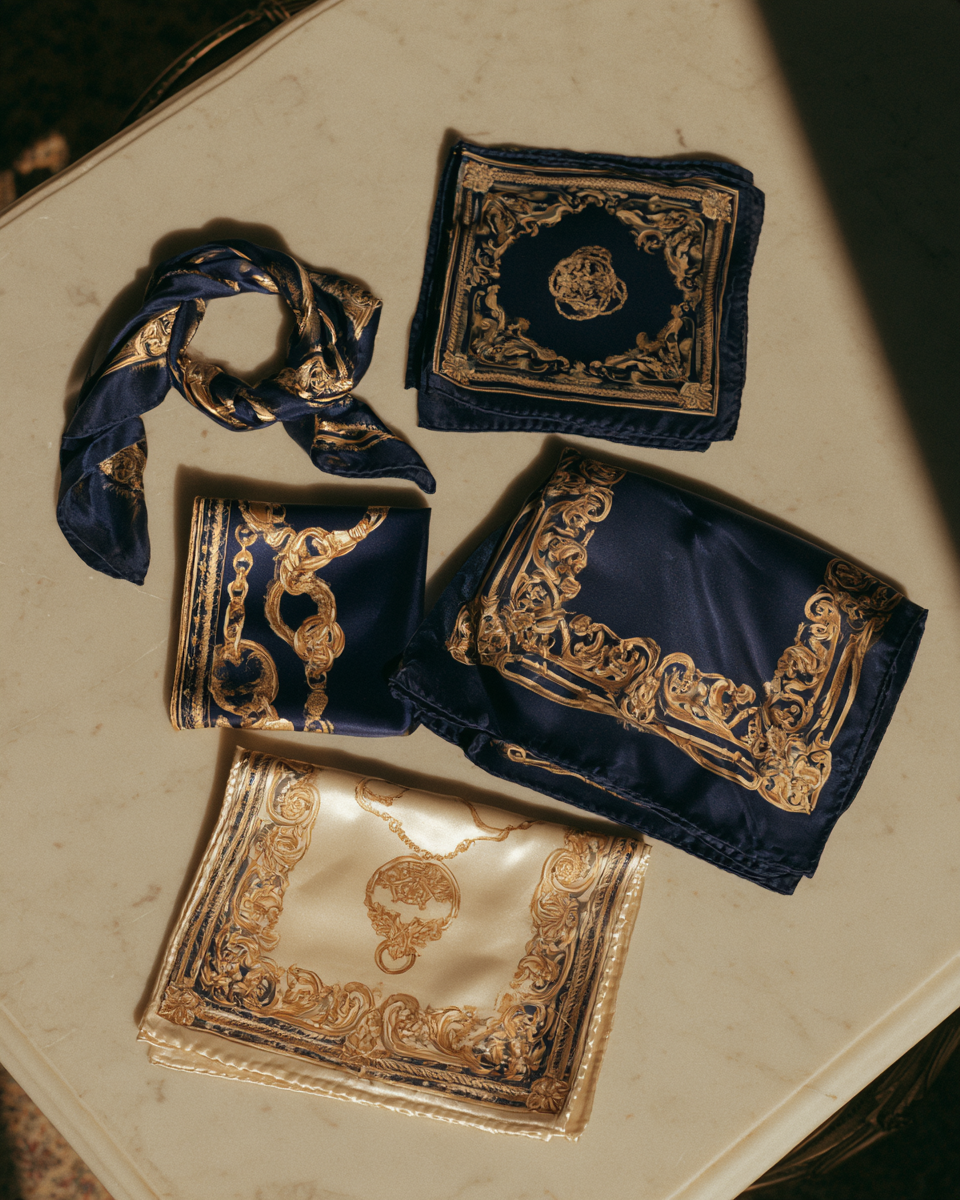
Silk Scarf Trends for Corporate and Event Gifting
A silk scarf never goes out of style — but how brands use it absolutely does. From the rise of the twilly to location-inspired storytelling, here are the trends actually shaping corporate and event silk scarf gifting right now.
The silk scarf is one of the few accessories that has remained relevant for over a century without ever going out of style — yet how it is used in corporate and event gifting changes meaningfully year to year. Brands, hotels and event planners who track these shifts consistently get more impact from their gifting budgets than those who default to whatever felt current five years ago. Here are the trends actually shaping silk scarf gifting right now.
Why Trends Matter Even for a Timeless Accessory
A silk scarf itself does not go out of fashion, but the way organizations use it, present it and design it absolutely does. Format preferences shift, storytelling expectations rise, and recipient audiences develop new baseline expectations for what a premium gift should feel like. Staying aware of these shifts is the difference between a gifting program that feels current and one that feels like it was designed a decade ago and never revisited.
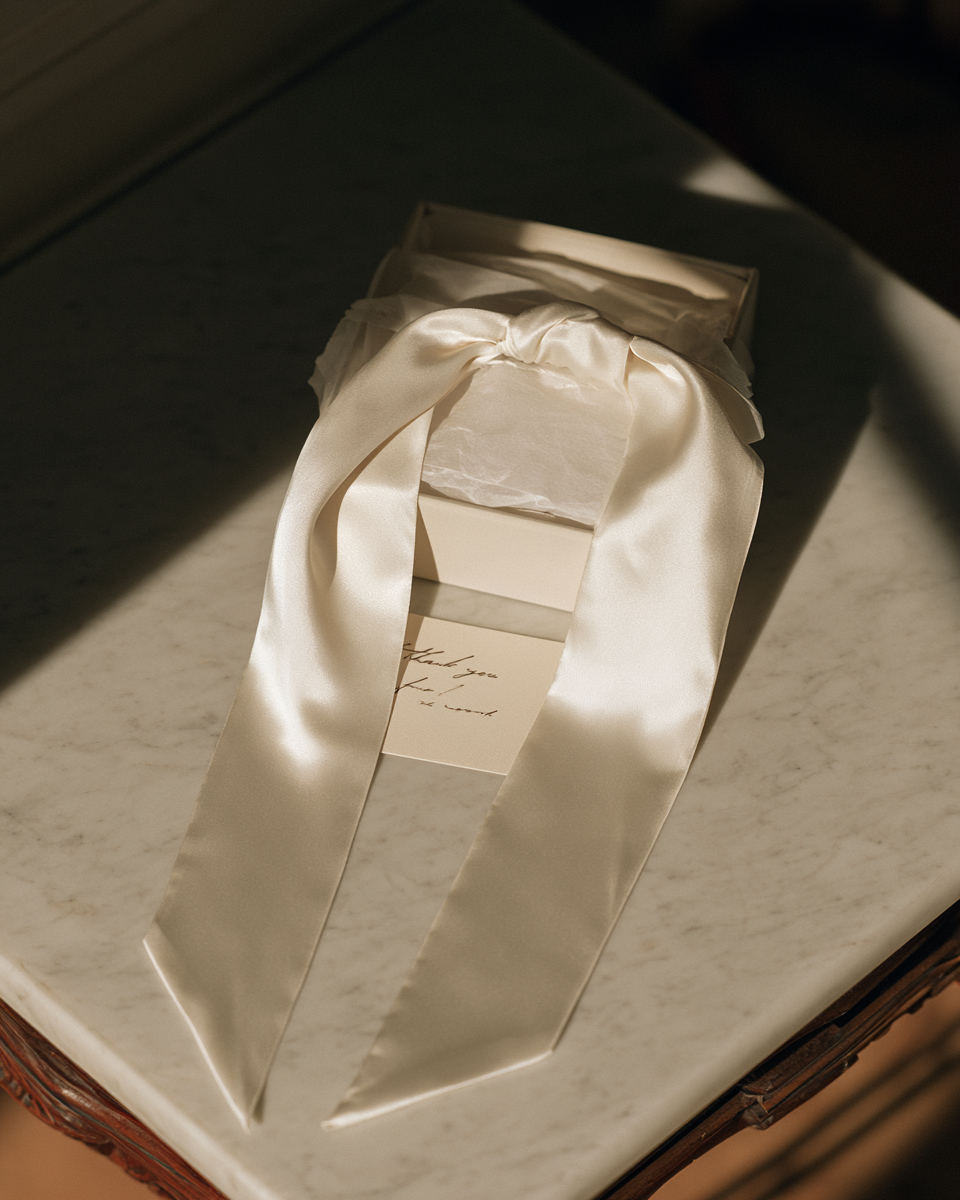
Trend 1: The Rise of the Twilly as the Default Format
Where a full 90cm scarf was once the standard gifting format, the twilly has become the go-to choice for volume programs — conferences, brand activations, mass client gifting. Its slim format delivers genuine custom silk at a fraction of the fabric cost of a full scarf, making premium gifting accessible at quantities that would have been prohibitively expensive even a few years ago. Expect twillies to keep expanding their share of corporate gifting budgets, often paired with a smaller number of full scarves reserved for VIP tiers.
Trend 2: Illustrative Storytelling Over Logo-Led Design
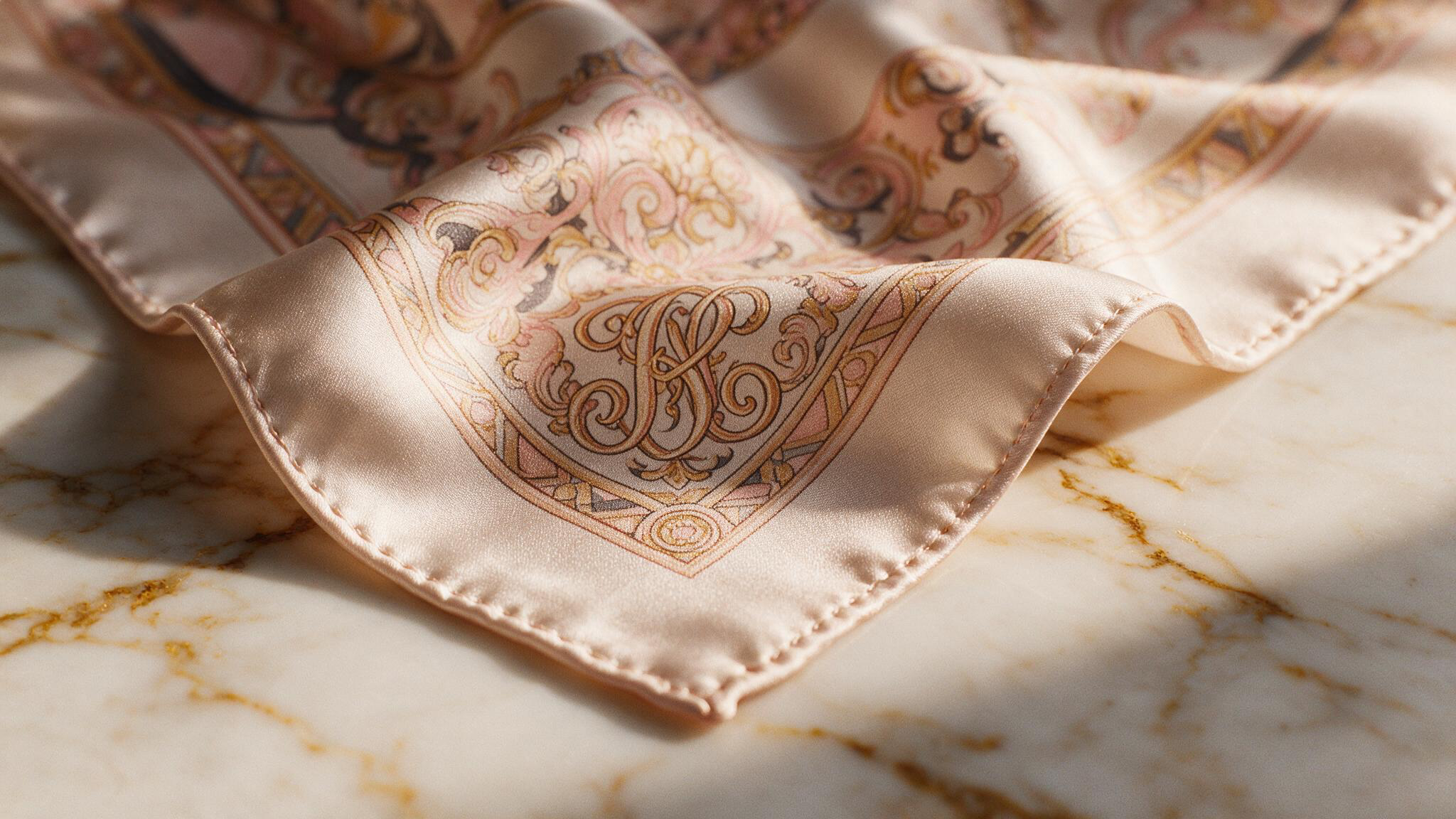
The most successful recent designs move away from centering the logo and instead build a genuine illustrated or pattern-based design that happens to include brand elements — a building rendered as line art, a landscape translated into a repeat pattern, a monogram integrated subtly into a border. Recipients respond to objects that feel like fashion first, branding second, and brands are increasingly willing to let the logo recede in favor of a design people actually want to wear.
Trend 3: Sustainable and Certified Sourcing as a Selling Point
REACH certification, water-based inks and transparent sourcing have moved from a compliance checkbox to an actively marketed feature. Companies with ESG commitments increasingly ask suppliers directly about certification status before commissioning a project, and this information is starting to appear in the gifting materials themselves — a small card noting the fabric's certified, responsibly produced origin. Expect this trend to strengthen as procurement teams formalize sustainability requirements across every category of spend, including gifting.
Trend 4: Mixed-Format Gifting Programs
Rather than choosing a single product for an entire program, more organizations are running tiered gifting — a twilly for general distribution, a pocket square for a mid-tier audience, and a full scarf or stole reserved for top clients or executives, all sharing a single design language. This approach maximizes the impact of one design investment across multiple budget levels and recipient categories.
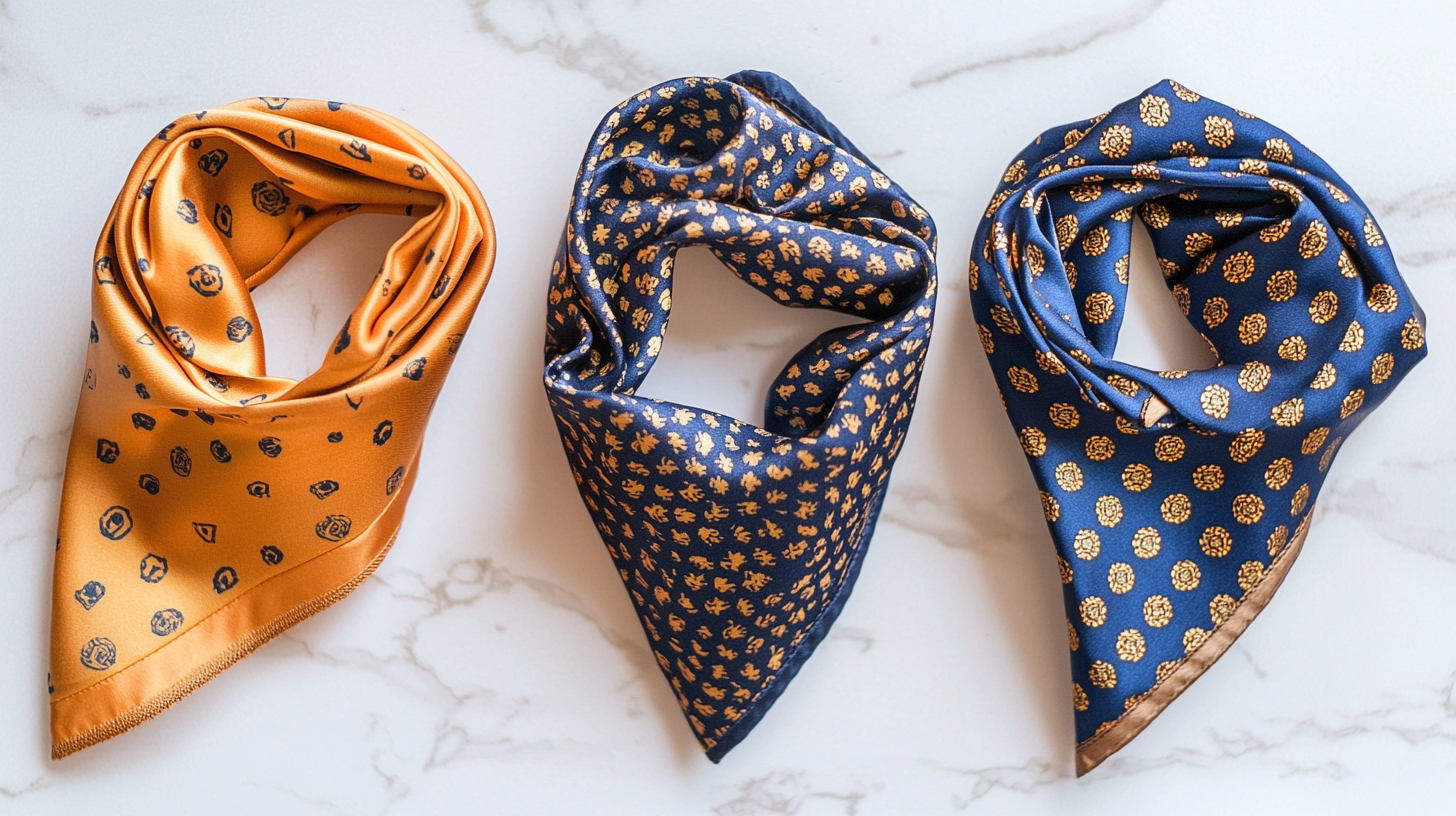
Trend 5: Location and Heritage-Inspired Design
Hotels, wineries and destination-based brands are increasingly commissioning designs that tell the story of a specific place — a property's architecture, a region's landscape, a city's landmarks — rather than generic pattern work. This trend reflects a broader shift toward gifting that functions as a genuine souvenir or keepsake rather than simply a branded object, increasing both perceived value and the likelihood the piece gets kept long-term.
Trend 6: Smaller, More Frequent Gifting Moments
Instead of a single large annual gifting event, more brands are spreading premium silk gifting across smaller, more frequent moments — a welcome gift for new clients, a small thank-you after a completed project, a token for milestone anniversaries. This approach uses smaller quantities per moment but multiplies the number of positive brand touchpoints throughout the year, often working out to similar total spend with meaningfully better relationship impact.
Trend 7: Digital Printing Enabling True Personalization
As digital printing technology and minimum order quantities have both improved, genuinely personalized elements — an individual name, a specific date, a one-off monogram — are becoming feasible even within moderate-sized orders, not just ultra-luxury bespoke commissions. Expect personalization at the individual recipient level to become a more standard offering across corporate and wedding gifting alike.
What These Trends Have in Common
Nearly every current trend points in the same direction: away from generic, logo-heavy branded merchandise and toward objects that function as genuine, wearable design — with a story, a certified origin and a format matched thoughtfully to the recipient. Organizations that build their gifting strategy around this shift consistently see stronger recipient response than those still working from a decade-old branded-merchandise playbook.
Seraya Studios produces custom silk scarves, twillies, pocket squares and stoles for brands, hotels and events — entirely made in Como, Italy. Discuss your project at info@serayastudios.com
Ready to Create Something Extraordinary?
Contact us for a free custom production quote. Made in Como, Italy.
Request a Quote