Silk Scarf Printing Techniques Explained: Digital vs Screen vs Sublimation
Not all silk scarf printing is the same. Digital, screen and sublimation techniques produce very different results in color, detail and cost. Here is exactly how each one works, and which is right for your custom scarves.
Two custom scarves. Same fabric, same size, same design file. One arrives with crisp detail and rich, accurate color. The other looks slightly washed out, with blurred edges on fine lines and a color that does not quite match the brief. The difference is not quality control — it is printing technique.
Most buyers never ask which printing method a manufacturer uses. It is one of the most consequential decisions in the entire production process, and almost nobody explains it clearly. This guide breaks down the three main techniques used to print custom silk scarves — digital, screen and sublimation — so you know exactly what you are paying for.
Why Printing Technique Matters More Than Most Buyers Realize
The printing method determines color accuracy, level of detail, minimum order quantities, cost structure and even how the fabric feels afterward. Two scarves can use identical silk and still turn out completely different depending on how the design gets onto the fabric. If you are commissioning scarves for a brand, an event or a wedding, understanding this one variable will save you from disappointment far more reliably than comparing price quotes alone.
Digital Inkjet Printing
Digital printing is the modern standard for custom silk scarves, and the technique behind the vast majority of scarves produced today for brands, hotels and events.
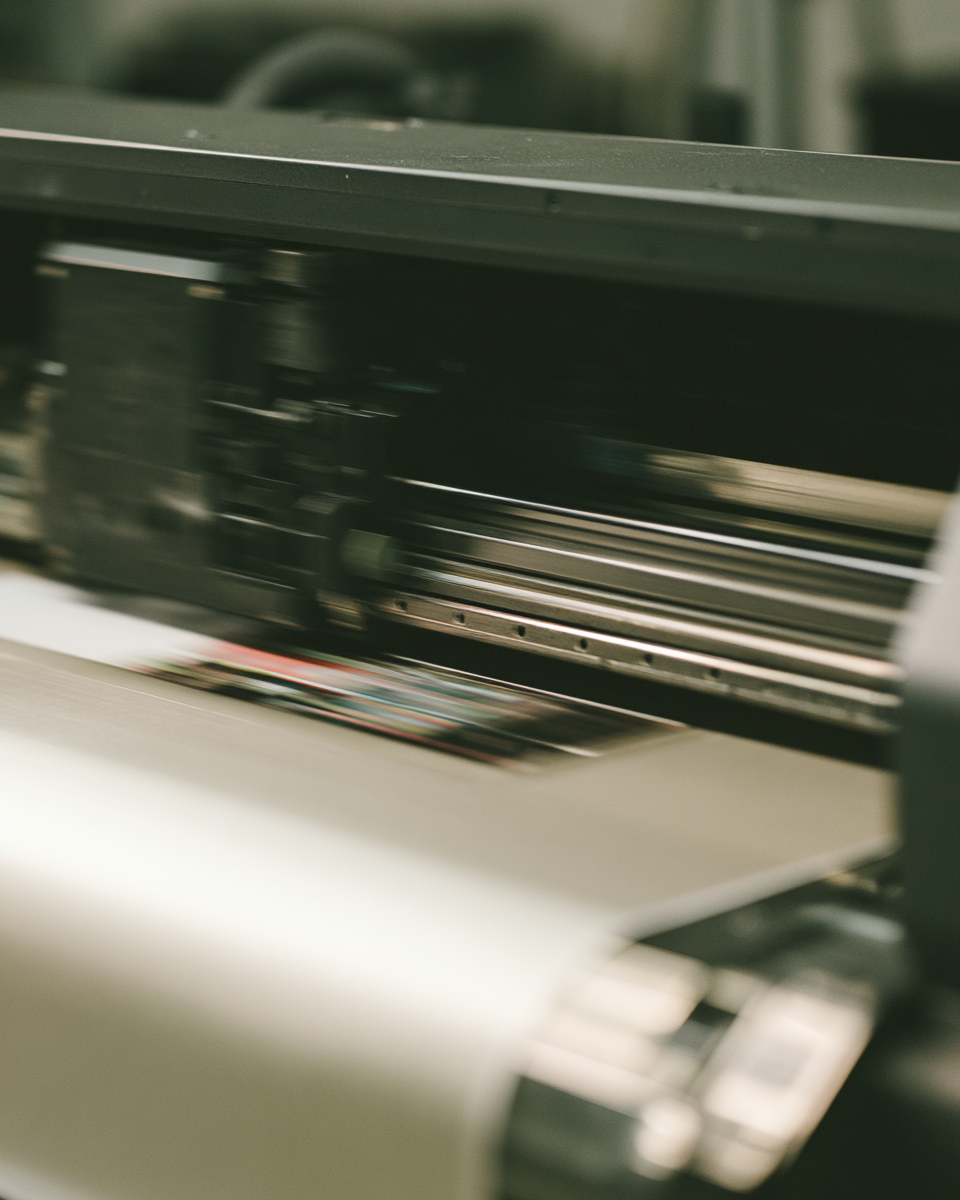
How it works: A digital printer applies ink directly onto the fabric, pixel by pixel, exactly like a high-resolution desktop printer but calibrated for textile. The design file is uploaded, color-profiled for the specific fabric, and printed in a single continuous pass.
Advantages: Unlimited colors in a single design — no extra cost for adding more shades. Fine detail and gradients render with precision, including photographic elements, thin lines and soft color transitions. Low minimum order quantities, because there is no setup cost per color. Fast turnaround from file to finished sample.
Limitations: Slightly higher per-unit cost than screen printing at very large volumes. Color can vary marginally between print runs unless carefully profiled and controlled.
Best for: Complex designs, photographic or illustrated artwork, brand programs needing exact Pantone matching, projects with moderate quantities, and any buyer who wants to see a real sample before committing to volume.
Screen Printing
Screen printing is the traditional technique used for silk scarves for over a century, and it remains relevant for specific use cases.
How it works: A separate stencil, or "screen," is created for each color in the design. Ink is pushed through the screen's mesh onto the fabric, one color layer at a time, in careful registration with the others.
Advantages: Rich, opaque, highly saturated color — particularly strong on solid blocks of color. Very cost-effective at extremely large volumes once the screens are made. A slightly different tactile quality that some buyers associate with heritage scarf production.
Limitations: Each additional color requires a new screen, which adds cost and lead time — designs with more than 6 to 8 colors become impractical. Fine detail, gradients and photographic elements do not reproduce well; the technique favors bold, graphic designs. Minimum order quantities are typically much higher, since screen setup costs need to be spread across the run.
Best for: Simple, graphic designs with few solid colors, very large production runs, and projects where the higher upfront setup cost is offset by volume.
Sublimation Printing
Sublimation is common on polyester and synthetic fabrics, and worth understanding even though it is used less frequently on genuine silk.
How it works: The design is first printed onto special transfer paper using sublimation inks, then heat and pressure are applied to transfer the design from paper to fabric. The heat causes the ink to turn into a gas that bonds with synthetic fibers.
Advantages: Extremely vivid, saturated color. Cost-effective for polyester-based scarves. Good for very large volumes of simpler synthetic products.
Limitations: Works reliably only on synthetic fabrics with high polyester content — it does not bond properly with natural silk fibers, which is why it is rarely used for genuine silk scarves. Not suitable for buyers specifically seeking 100% silk.
Best for: Polyester scarves and accessories, not genuine silk projects. If a supplier proposes sublimation for a "silk" scarf, ask directly what percentage of the fabric is actually silk.
Side-by-Side Comparison
Color range: digital offers unlimited colors; screen printing is limited by the number of screens; sublimation offers vivid but synthetic-fabric-only color.
Detail and gradients: digital renders fine detail and gradients accurately; screen printing struggles with anything beyond bold graphics; sublimation handles detail well but only on polyester.
Minimum order quantity: digital typically offers the lowest minimums; screen printing requires higher volumes to justify setup; sublimation minimums depend on the base fabric supplier.
Best fabric match: digital works beautifully on silk twill, satin and most natural fibers; screen printing also works on silk but favors simpler designs; sublimation is fundamentally a synthetic-fabric technique.
What Technique Seraya Studios Uses, and Why
At Seraya Studios, every scarf is printed using digital inkjet technology on genuine silk fabrics. We chose this technique deliberately: it is the only method that reliably reproduces complex brand identities, fine illustration and accurate Pantone-matched color at the quantities most of our clients actually need — from a 30-piece wedding order to a 2,000-piece corporate program. Every design is color-profiled specifically for the fabric it will be printed on, and every project includes a physical printed sample before bulk production begins.
Questions to Ask Your Printer
Before committing to any manufacturer, ask directly: which printing technique will be used on my specific design? How many colors does my artwork require, and does that affect minimum order quantity? Can I see a printed sample on the actual fabric before bulk production? Is the fabric genuine silk, and if so, what percentage? The clarity and specificity of the answers will tell you more about the manufacturer's standards than any marketing claim.
Seraya Studios prints custom silk scarves using digital inkjet technology, entirely in Como, Italy. Request a printed swatch of your design at info@serayastudios.com
Ready to Create Something Extraordinary?
Contact us for a free custom production quote. Made in Como, Italy.
Request a Quote